Before arriving, take some time to learn about New Zealand’s rich cultural heritage, which is still actively celebrated and preserved today. Then, explore the history below to become familiar with some significant historical dates.
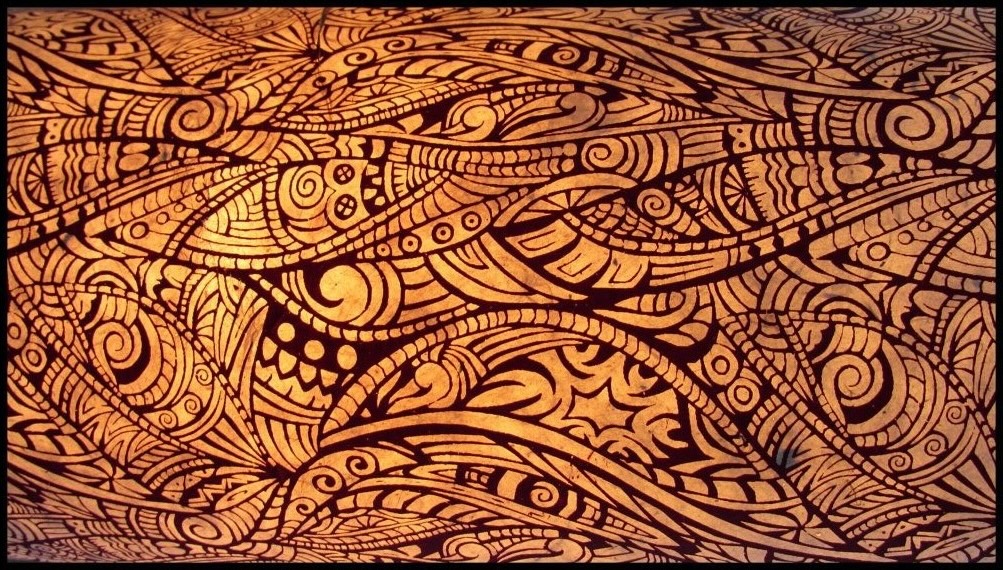
Culture
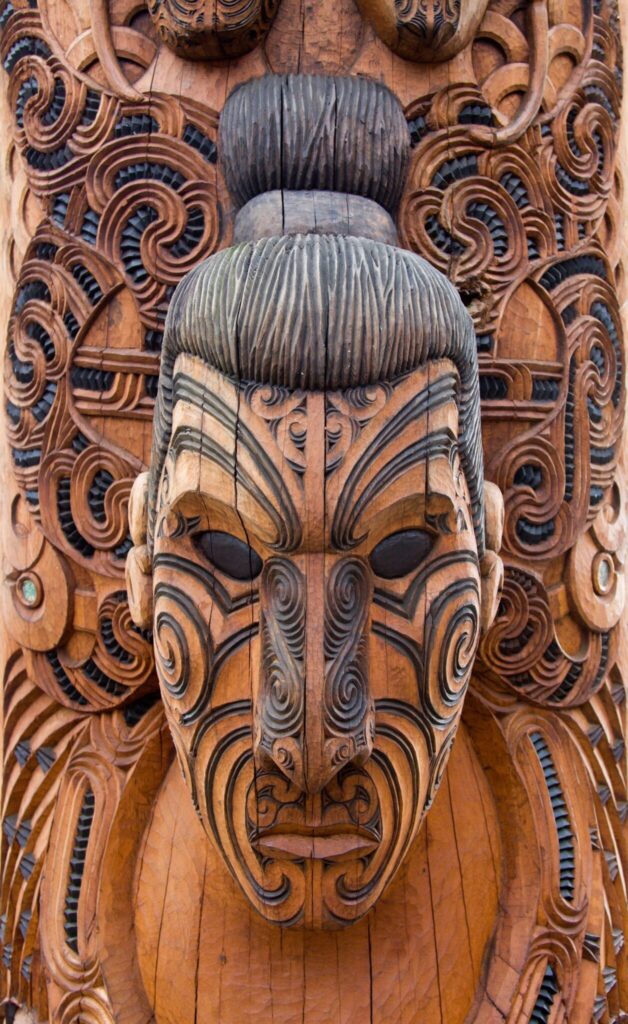
New Zealand, also known as Aotearoa, has a rich cultural heritage shaped by Māori traditions and European influences. The Māori people were the first settlers, arriving from Polynesia around the 13th century. Their language, arts, and customs remain a central part of New Zealand’s identity today. Visitors can experience Māori culture through traditional carvings, performances, marae visits, and the famous haka.
European settlers arrived in the 18th and 19th centuries, bringing their own culture, architecture, and governance. The signing of the Treaty of Waitangi in 1840 between Māori chiefs and the British Crown marked a key moment in New Zealand’s history and continues to influence the country’s cultural and political landscape.
Modern New Zealand is a vibrant mix of Māori and European heritage, enriched by Pacific and Asian communities. Travelers can enjoy this diversity through local festivals, museums, art galleries, and historical sites, giving insight into how New Zealand’s past has shaped its unique identity.
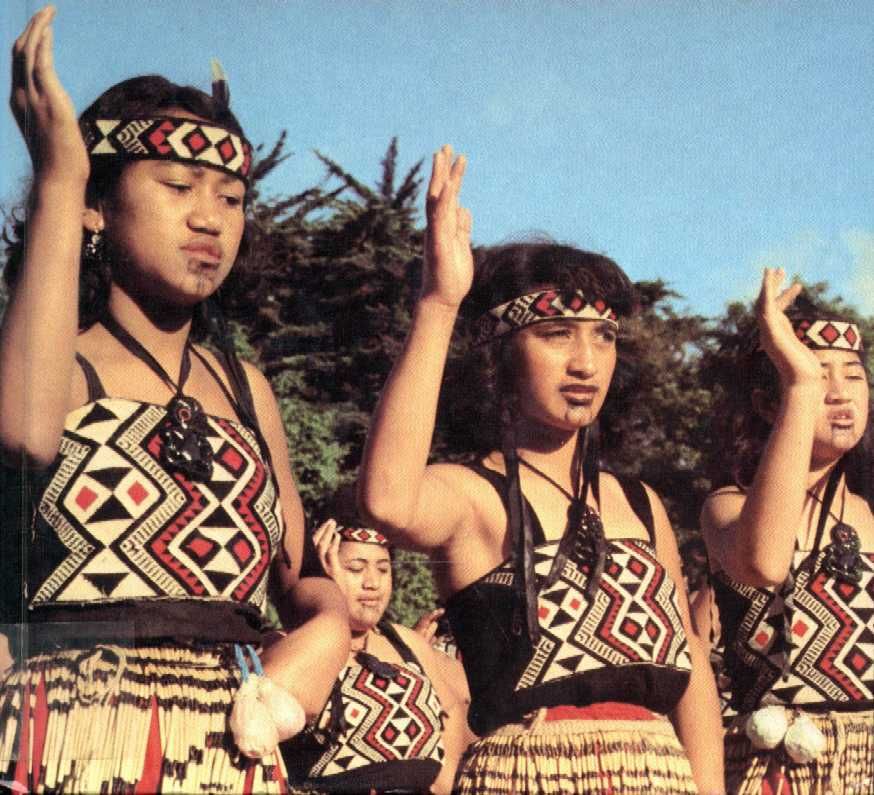
Tradition & Connection
Gathering the sacred stories and ancestral knowledge of the Māori people.
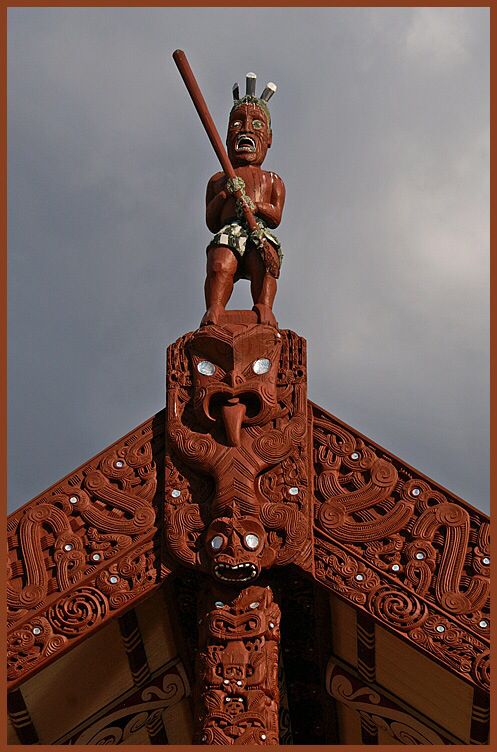
Traditional Māori wood carving
Carving the stories of ancestors into wood to preserve the lineage and identity of the iwi.
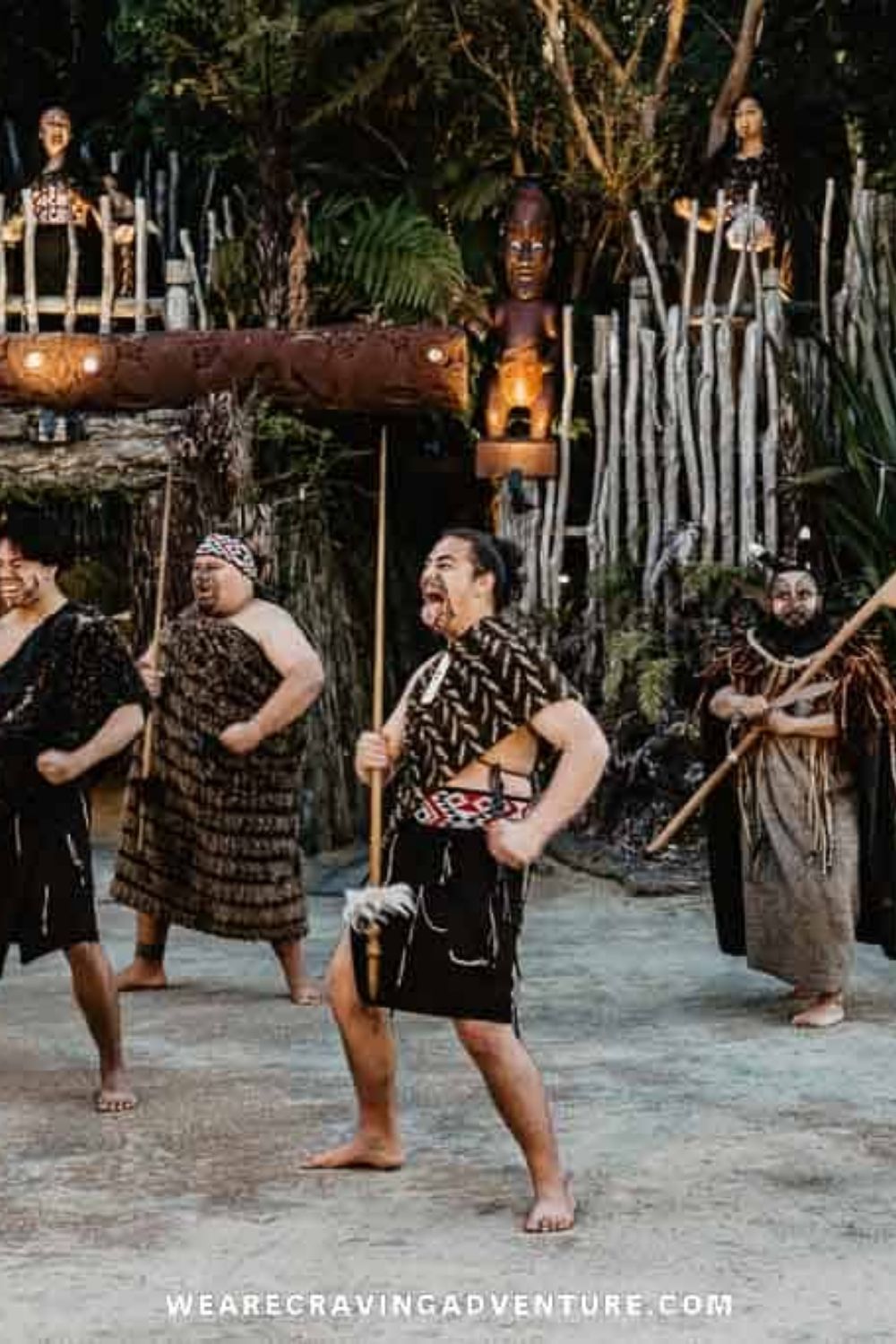
Performance & Art
Showcasing the living history of New Zealand through art, performance, and hospitality.
History
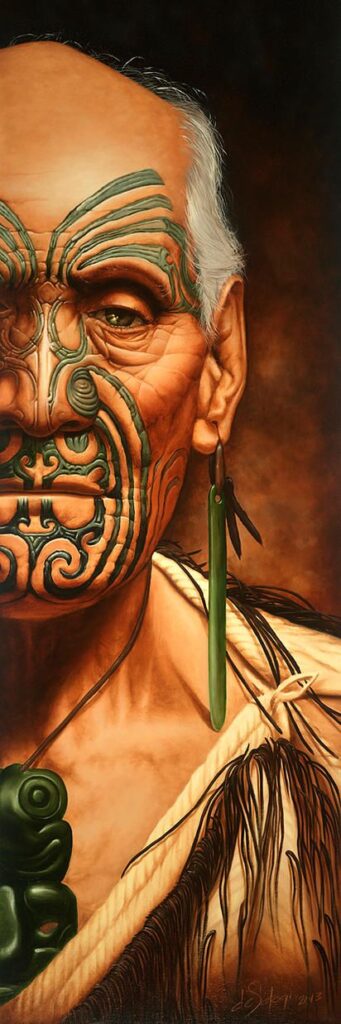
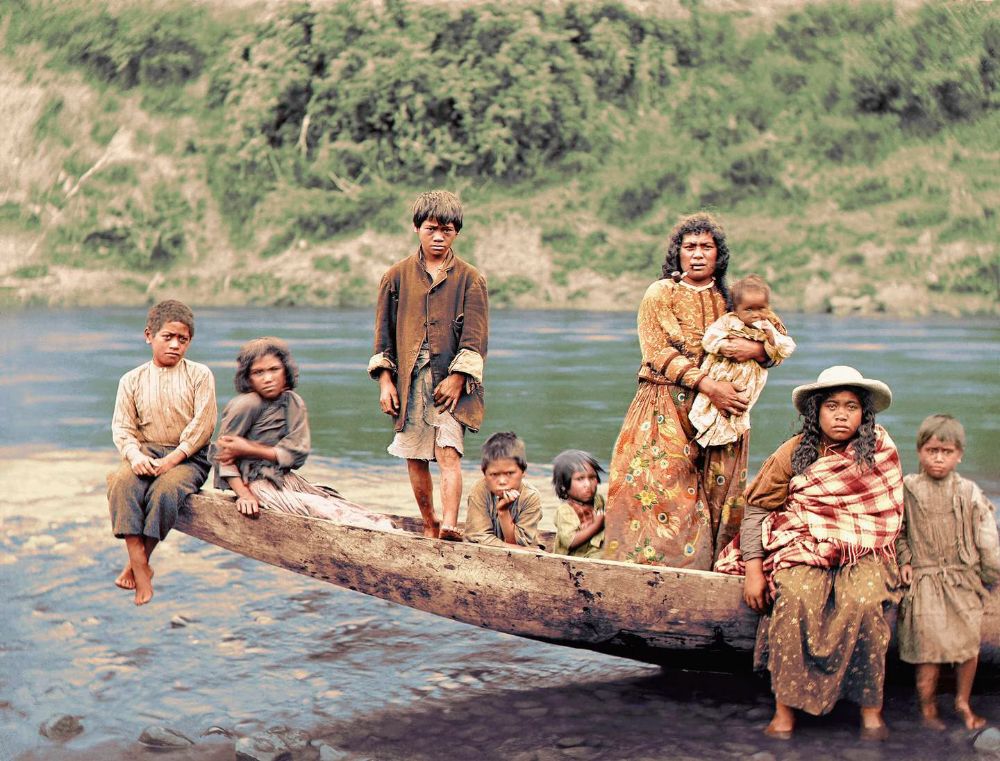
New Zealand’s history began with the arrival of the Māori people from Polynesia around the 13th century, who developed a rich culture and traditions. In 1840, the Treaty of Waitangi was signed between Māori chiefs and the British Crown, shaping the country’s modern history and governance.
Interactive Timeline: History of New Zealand
Click a date to learn more